 The Mold Diaries
 Mold: Is It Hiding in Your Home?
You’ve Got Mold
It is inevitable; every home has some level of mold, no matter how well you scrub, scrape, ventilate or disinfect. Almost any amount of prolonged moisture exposure on wood, insulation, drywall, plaster, or most other surfaces will cause mold spores to grow. This is why mold remediation is so costly – you are not just paying to have the mold removed; in most cases you also have to find and eliminate the source of the moisture.
Don’t Be Fooled by “Toxic” Mold
The term “toxic mold” is one of those media-friendly euphemisms that spice up headlines and boost readership. The truth is, mold itself is not toxic, and the types of aggressive mold that do produce toxins are extremely rare. Furthermore, these rare forms of mold are usually only life-threatening to newborns, the elderly and the seriously ill.
Some types of mold produce mycotoxins, which possess the “toxic” effects often attributed to mold. While these mycotoxins are almost universally harmful, other kinds of mold are simply allergenic or pathogenic. This is where the complications begin. If you have mold allergies, you could be much worse off being exposed to an allergenic mold than a healthy person would be if exposed to a so-called “toxic mold.” For those with compromised immune systems because of illness or disease, a pathogenic mold can produce adverse effects just as devastating as a toxic mold.
So You Think You Know Mold?
There are more than 100,000 different types of mold spores, all of which are nearly impossible for you to identify specifically. Mold can be yellow, green, pink, black, or white – in all different shades and hues. To make matters even more confusing, the exact same kind of mold can appear completely different depending on the situation. Most experts will tell you that it is generally pointless to try to pinpoint the specific type of mold you have in your house; it just doesn’t matter. Unless you or someone in your home is experiencing extremely severe health problems, forget trying to identify the mold and just call a professional in to remove it.
Do Something
If you find mold in your house – and you will – there is no need to run screaming to the nearest emergency room. However, you should keep infants, elderly people, and those who might have an existing respiratory condition from spending too much time in a room where you know mold is present. Mold is most commonly found in areas prone to dampness, like the bathroom or basement, and is likely there even if you can’t see it. If you develop a sudden, unexplained respiratory problem, call in a mold remediation specialist right away. If you notice a leak in your plumbing, call in a plumber to fix it immediately, to stop mold from appearing. The longer you leave a mold problem untreated, the more damage it will do to you and your home.
Related Mold Information from Horizon Services...
Troubleshooting Your Window Air-Conditioner
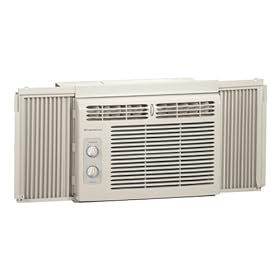
Window Mount Conditioners
If you use a window-mounted air-conditioner to keep your home cool, you know how powerful these little devices can be. Like a central AC system, a window air-conditioner has both indoor and outdoor components and when something goes wrong it can be difficult to determine where the problem lies.
Understanding Your Air-Conditioner
Inside the room you will find the evaporator coil, the part of the AC that gets cold, along with the fan or blower, the thermostat and controls, the filter and a plastic face panel.
Between the interior and exterior components is a panel that helps seal the unit in the window, preventing cool air from escaping and warm air from seeping in. This panel is usually expandable, so it is easy to customize the device to fit into your window, no matter what its size.
On the outside, you will find the air-conditioner’s compressor, the condenser and the fan that blows air across the condensing coil in order to cool it. Any moisture that collects inside the unit drains along the bottom and into a metal basin, which then drips to the outside of the house, through a hole or drain tube.
Now that you know the basics, it is time to take a look at some common in-room air-conditioner problems.
Water Dripping From the Front Panel
If you notice excess condensation or water dripping from the front of your air-conditioner, it almost always means that the drain pan is tilted incorrectly. Instead of guiding water toward the back of the unit and out of your home, the basin is allowing condensation to drain into the room.
Fortunately, correcting this problem is pretty simple. You just have to adjust the drain basin so that it tilts to the back of the unit and downward.
The Unit Cycles on and off Too Frequently
This generally indicates a problem with the unit’s thermostat or temperature sensor. Possible solutions include checking that the temperature sensor is positioned properly; near but not touching the evaporator coil. Move drapes and curtains away from the front panel. Remove leaves, branches and yard debris away from the exterior condenser. If none of these suggestions resolves the problem, call in a professional to service your AC unit, checking for refrigerant leaks and damaged components
Air-Conditioner Will Not Turn On
You could have a blown fuse, it could be a popped circuit breaker or the unit could be unplugged.
Obviously, you first want to make sure the air-conditioner is plugged in properly. If this fails to solve the problem you may have to replace the blown fuse or reset the breaker that connects to your AC’s power source.
Unit Keeps Blowing Fuses
If your AC is constantly popping the circuit breaker or blowing out fuses it usually means that it is hooked up to an inadequate power source.
Most residential window units require at least 120 volts of electricity operating off a 15amp circuit. You will need more power if your AC is larger. Run the air-conditioner from its own dedicated circuit; at least 20 amps, in order to correct the problem.
Related Air Conditioning Information from Horizon Services...
Home Energy Hogs
 These Home Appliances Suck Up a Surprising Amount of Electricity!
When we think of energy consuming appliances, big ticket items such as refrigerators, air conditioners and washing machines tend to top the list. However, some of the most costly appliances in your home are actually the smallest. Small devices like cell phone chargers and computer printers use lots of energy, and as these gadgets become more common in our homes the amount of energy they use grows exponentially.
What is the main reason so many of these small appliances use so much power? It is because they are almost always plugged into electrical outlets, even when they are not in use. They draw energy constantly, even when they are turned off or the devices they power have been disconnected.
Check out our list of the most energy inefficient small appliances. How many do you have in your home?
Plasma TVs:
You know you want one. Plasma televisions are on most of our home entertainment wish lists, but these hot items are quite literally hot. They use a lot of energy and throw off a significant amount of heat, too. The average 42-inch plasma screen uses as much as 325 watts of electricity; that old-fashioned CRT TV you have lying around uses just 120 watts. LCD TVs are a good compromise, using about 200 watts of electricity.
Digital Photo Frames:
Once a novelty item, digital picture frames are quickly becoming more commonplace as they become more affordable. However, according to a recent estimate from the Electric Power Research Institute, if every home in the US had one of these frames operating 24 hours a day it would take five entire power plants to keep them all running.
Video Game Consoles:
Video games have come a long way since Pac Man and Pong. Today’s games require high level digital processors to control all of those stunning graphics, and those processors require tons of energy. Compounding the problem is that energy-efficiency standards have yet to catch up to video game consoles like Sony’s PlayStation and Microsoft’s Xbox 360. The Natural Resources Defense Council estimates that game consoles consume around 16 billion kilowatt hours of electricity each year. This is roughly the same amount of yearly energy usage as the entire city of San Diego.
Set-Top Boxes:
Cable and digital converter boxes for your television may seem like pretty innocuous devices. While they only draw about 30 watts of energy, these boxes are always on—even when the TV is turned off. A single box can use as much as 265 kilowatt hours of electricity in a year. This is equal to the annual energy consumption of a 28-inch tube television.
Battery Chargers:
It seems that everything that rings, beeps or clicks now comes with its very own battery charger. Although these small devices do not use much energy—only about 10 watts—most of us simply plug them into the wall and leave them there, connecting them to the phone, camera or portable DVD player only when we need a charge. Even when there is nothing attached to them, battery chargers continuously draw power if they are plugged in. Consider the fact that most American homes have at least half a dozen chargers, and our total energy consumption adds up to the output of several large power plants.
Related Energy Efficiency Information from Horizon Services...
- Horizon Heating Services
- Horizon Air Conditioning Services
- 101 Ways to Save Energy and Money in Your Home
- Air Conditioning Alternatives
- Cutting Edge Solutions For Energy Efficiency
- Do The Math…High Efficiency Air Conditioners Drastically Reduce Energy Costs!
- Home Energy Myths Debunked!
- Frugal Fridge Maintenance Can Save You Energy...and Cold Hard Cash!
- A Precision Tune-Up is Your Air Conditioner's Best Friend!
- 14 Web Sites That Can Save You Energy, Money and Time
Simple Ways to Increase Your Home's HVAC System Efficiency
 According to HVAC (Heating, Ventilation & Air Conditioning) industry data, the average American homeowner spends approximately $1300 a year on heating and cooling bills. While green overhauls are all the rage in the home improvement and construction industry, it’s not necessary to gut your home’s existing heating and cooling system. There are many ways to make your home more energy efficient without breaking the bank. Making a few simple changes and taking the time to maintain your current HVAC system can result in hundreds or thousands of dollars saved on utilities.
One of the best ways to ensure your home’s energy-efficiency is to choose Energy Star appliances. These machines have been certified by the government’s Energy Star program, which assures they meet high standards of efficiency and reliability. If you’re in the market for a new refrigerator, air conditioner, television, microwave, or other major appliance, look for the Energy Star label to guarantee you’re getting the most efficient device with a low operating cost.
Maintenance is the best way to prevent undue wear and tear on your home’s heating and cooling system. Not only will regular maintenance keep your HVAC system running at optimum performance, but it will detect problems or malfunctions before they become major issues.
To keep your HVAC system running as it should, follow these basic tips:
- Hire a professional to perform regular maintenance on your HVAC system, including annual tune-ups and cleanings of your furnace and air conditioner before the start of each season.
- Follow your system manufacturer’s maintenance instructions between annual professional visits.
- Check furnace and air conditioner filters: Permanent filters should be cleaned with mild soap and water every month or two; replaceable filters should be swapped out at least as often.
- Keep windows and doors closed when the HVAC system is running.
- Caulk and weather strip around windows and doors to seal drafts.
- When the air conditioning is on, use your washer and dryer only during the coolest times of day (early morning or after sunset).
Staying on top of regular HVAC maintenance, cleaning, and professional tune-ups is the easiest, cheapest, most effective way to keep your home’s heating and cooling system working at its best. A well-tuned furnace or air conditioner runs more efficiently, which saves you money.
Consider installing a programmable thermostat. These inexpensive thermostats allow you to set the times and temperatures at which your HVAC systems run. You can program the thermostat to turn on your heating and air conditioning only on those times in which you are in the house and turn off when you are away. It's a great way to lower your utility bills.
If cleaning and professional maintenance just aren’t translating into savings on your monthly utility bills, it may be time to replace your furnace or air conditioner. A new HVAC system is a substantial investment, but in the long-run this could be your best bet. Thanks to technological advances and government regulations, HVAC systems have never been more energy-efficient or easy to operate. Even units on the lower end of the efficiency scale typically cost less to operate than a similar system that was installed just a decade ago.
High efficiency models do cost significantly more initially, but they pay for themselves in just a short time in the form of monthly energy savings. Of course, you’ll need to weigh the purchase cost and savings when shopping for a new system. A qualified HVAC contractor can help you navigate the complex marketplace of energy-efficient heating and cooling units.
Related Information from Horizon Services...
- Horizon's Furnace Precision Tune Up
- Horizon Heating & Air Conditioning Installation and Replacement
- Video: How To Use Your Honeywell VisionPRO IAQ Thermostat
- 101 Ways to Save Energy and Money in Your Home
- Cutting Edge Solutions For Energy Efficiency
- Do The Math…High Efficiency Air Conditioners Drastically Reduce Energy Costs!
- Home Energy Myths Debunked!
- A Precision Tune-Up is Your Air Conditioner's Best Friend!
Heating and Cooling System Health Check
 A Little Preventive Medicine for Your Heating and Air Conditioning System Can Go a Long Way!
As summer is coming to an end and winter's cold weather is just around the corner, you'll definitely want to make sure your home’s heating system is functioning properly for the winter ahead...and that your air conditioner has successfully survived the long, hot summer without any damage or problems. The following checklist can help you decide if you need to make some improvements, replace equipment, or consult a professional about more extensive repairs.
If your heater, heat pump or air conditioner is more than 10 years old, consider replacing it with an Energy Star rated system. When installed by an expert, these units will improve your home’s energy efficiency and can help you save up to 20% on your utility bills.
If your furnace or boiler is more than 15 years old, you may want to research Energy Star certified units. These newer systems are almost 15% more energy efficient than older furnaces, while an Energy Star boiler is about 5% more efficient than an older model.
If you’ve noticed a dramatic increase in the number of times you have to call in a professional to repair your heating and cooling system, or your utility bills keep rising no matter what you try to do to save energy, your current system is not working as efficiently as it should and it may be time to replace your unit.
If you notice that certain rooms in your house are always too hot or too cold, your heating or cooling system may be malfunctioning or your ductwork or insulation could need some attention.
If you spend the better part of the day away from home and you don’t have a programmable thermostat, you could be wasting energy—and money. An Energy Star certified programmable thermostat lets you control the temperature of your home when you’re not there, saving energy and money.
If you notice condensation on windows and sills or the humidity in your home is never quite right, your system could need work and an overhaul. Leaky ducts can also make your home too humid in summer and overly dry in winter.
If you find it nearly impossible to keep up with the dust inside your home, it could mean that your ductwork is leaking. Improperly sealed ducts pull air and dust particles from attics, basements and crawl spaces, circulating them throughout your home.
If your heating or cooling system makes a lot of noise, your ducts could be too small or one of the key components of your system could be malfunctioning.
Use the Home Energy Yardstick found on the EPA's Energy Star website to determine your home’s energy health. To complete the survey, you’ll need to gather your utility bills from the last 12 months or request a 12-month summary of charges from your energy provider, information about your home’s energy sources—natural gas, oil, electricity, propane, kerosene—and the total square footage of your home. Simply enter this information in the right places and let the yardstick calculate your home’s energy efficiency rating. If you score lower than five, your home is using more energy than average and you are likely paying more than you have to on your utility bills.
Finally, it's always a great idea to give your heating and air conditioning system a tune-up and cleaning before the start of the summer or winter season. A tune-up will make sure that your heater or air conditioner starts the season in optimal working condition and will operate at peak energy-efficiency. It will also extend the life of your heating and air conditioning system and is your best assurance that your heater or air conditioner won't break down at an inopportune time -- like right in the middle of a heatwave or cold snap!
Related Heating & Air Conditioning Information from Horizon Services...
Make Sure You Have Proper Air Circulation Throughout Your Home
 Going in Circles is Great for Heating & Cooling Comfort and Energy Efficiency!
Uneven air circulation and distribution of both heated and cooled air is a common problem in many households. Industry experts say that improper air flow can actually reduce the efficiency of your heating and air conditioning equipment by as much as 60%! They also say that improper air flow is one of the most common causes of heating and air conditioning system breakdowns. That's because when air is not flowing smoothly through your home, it puts extra demand on your heating and cooling equipment to force warm or cool air throughout the home.
Proper air circulation is extremely important if you want to get the most out of your heating and air conditioning system. Think of each room in your home as a section of a wheel. When you don’t get air good circulation in one room, it’s like having a flat spot on a wheel; the wheel is not going to roll smoothly. With central air conditioning and heating, one room with bad circulation can keep air from circulating smoothly throughout the rest of your house.
If your heating and air conditioning system lacks even air circulation between rooms and floors of the home, temperature and humidity can differ greatly from room to room. If one or more parts of your home are too warm or too cool, the overall comfort level of your home will feel out of balance. It may also force you to run your heater or air conditioner more in certain rooms; this can put unnecessary demand on your heating and air conditioning system, which can lead to premature breakdowns and higher energy bills.
The key to consistent year-round comfort is consistent air circulation. So how do you get proper air circulation throughout your home? It starts with installing a heating and air conditioning system that designed for your home's heating and air conditioning requirements. Is your heating and air conditioning equipment sized properly so that it doesn't produce too much or too little heated or cooled air? Does it have the proper efficiency rating? A system analysis of your home including a load calculation (a mathematical estimate of the amount of air that needs to be generated to efficiently heat and cool each room) can provide great insight as to whether your system is putting out too much or too little air.
Good ductwork design is another key component to getting good air circulation and consistent heating and cooling comfort. Because the ducts in your home carry the air to each rooms, it is important that they are the correct size and length to deliver the proper amount of heating and cooling. It's also important where in your home they are located and whether or not they have any leaks or damage.
If you're thinking of installing a new heating and air conditioning system, make sure your HVAC contractor not only explains how your equipment is sized and that it is of the right efficiency for your home, but that he submits and reviews with you a copy of the ductwork design. This will help assure you that you’ll be getting the proper air circulation and won't be disappointed with the way your new heating and air conditioning system performs.
At Horizon Services, our comfort consultants and HVAC technicians are always happy to discuss with you how to get the right air circulation and most consistent heating and cooling throughout your home. Give us a call!
Related Information from Horizon Services...
Keep Cooling Costs Down This Summer
 Energy Conservation Tips for Your Air Conditioner
With summer in full swing, you are probably tempted to run your air conditioner as frequently as you can. But while your air conditioner can take the edge off of the sweltering heat, it can also take a significant bite out of your wallet. If you find that you can't do without air conditioning, here are some very important things that Horizon's air conditioning technicians suggest that you can do to maximize your comfort while minimizing your energy use and cooling costs .
Raise Your Thermostat Setting
Be sure to increase the thermostat if you’re going to be out of the house during the day. Every degree you raise the thermostat can results in a 5%-8% savings on the cost of cooling your home. And when you are at home, try setting the thermostat a degree or two higher than you normally would. Chances are you won't even notice the diffence in your comfort...but you will in your energy savings!
Often, when people first come into their house from being outside in the hot weather, they turn on their air conditioners at a colder than normal setting, thinking this will cool the house off faster. But guess what...it doesn't work. Your house will not cool any faster...but your air conditioner will work much harder. This will result in excessive cooling and unnecessary expense. Doing this overtime can also lead to frequent air conditioner breakdowns or reduce your air conditioner's life span.
A great idea is to install a programmable thermostat which will automatically raise or lower temperatures at preset times to allow for times when you won’t be at home. These items are inexpensive and they can save you about $100 every year in energy costs.
Join the Fan Club
Combining a ceiling fan with a central air conditioning system is a great way to maximize yor cooling comfort. While it won't actually reduce the room temperature, a ceiling fan creates enough air movement in a room to make it feel about four degrees cooler -- just like the wind chill factor makes the outdoor winter air feel colder to your skin. This allows you to to set the thermostat a little lower than you normally would and feel just as cool. Also, the average ceiling fan only uses about as much electricity as a 100-watt light bulb; so it only costs pennies per day to run.
If you're going to use a ceiling fan, make sure that it is set for summertime operation: the high edge of the blade should go forward first, to force the air downward. You should feel the air blowing down on you when you stand beneath the fan when it’s on. And only run the fan when you’re in the room! It doesn’t actually make the room cooler; it just feels cooler when you’re in the breeze.
Apply Some Sun Block
Direct sunlight can really do a number on your ouside air conditioner by making it work significantly harder. In fact, an air conditioning unit operating in the sun uses as much as 10% more electricity than the same one operating in the shade. Do your air conditioner a favor: planting trees or shrubs nearby to shade the unit. You can also purchase and install canopies that you can place over your air conditioner unit to shield it from the sun's rays.
In addition, it is important to keep unnecessary sunlight and heat from getting inside your house. Direct sunlight streaming through windows and baking through walls during the summer months can significantly increase your air conditioning costs. Be sure to look for ways to shade sun-exposed windows and exterior walls of your house. Be sure to draw shades and curtains during the brightest hours of the day. Consider using exterior window coverings or awnings. Plant trees or bushes in front of walls or windows. You can even apply reflective film on windows that prevents much of the sun's rays from entering your home's interior.
Other Ways to Keep Cool Around the House
This may sound obvious, but be sure that all windows and outside doors are shut when the air conditioner is on. After all, you don’t want to “cool the whole neighborhood.”
Avoid placing lamps, TVs, appliances or other heat sources near the air conditioner thermostat. Heat from these items may cause the air conditioner unit to run longer than it should.
Make sure that no furniture or large objects are obstructing ducts or fans. You want to allow the cool air to circulate freely.
Cut back on indoor activities that generate heat such as laundry, cooking and dishwashing. If you must do these chores, wait until later in the evening when it is cooler.
If you have any unused rooms, turn off the cooling in these areas and keep the doors closed.
Related Air Conditioning and Energy Saving Information from Horizon Services...
Green Cooling Ideas for Your Home
 Staying cool in warm weather can be tricky business. Rising temperatures outside and strong sunlight beating down on your home and into windows make it difficult to keep indoor temperatures comfortable. Air conditioning certainly helps, but with the high cost of initial installation and mounting utility charges, this isn’t always the most practical option. Additionally, there is the issue of chemical refrigerants used by residential air conditioners that can contribute to pollution and global warming.
If you’re looking for a greener alternative to traditional air conditioning, the following common sense ideas and low-cost changes can cool your home without harming the environment or depleting your budget.
The best way to keep your home naturally cool in the summer is to prevent heat from building up indoors in the first place. The most obvious source of indoor heat gain is direct sunlight, which gets absorbed by your home’s roof, walls, and windows. Other, lesser known sources include air leakage around poorly sealed and insulated doors and windows, and heat from household appliances like dryers, dishwashers, and computers.
To keep heat from building up inside your home, use heavy curtains or blinds on windows to block direct sunlight, enhance the landscaping around your home with trees and shrubbery that help deflect or bar the sun’s rays, make sure doors and windows are properly sealed, turn off heat-generating appliances like televisions and computers when not in use, and limit the use of other appliances that use heat —- like the washing machine, dryer, and dishwasher—to early in the morning or after dark when outdoor temperatures are likely to be lower.
In hotter climates or in larger homes, simply deflecting the sun’s rays and restricting the use of heat-generating appliances are not enough to cool effectively. Fortunately, there are several environmentally responsible strategies you can employ to supplement traditional air conditioning.
Any time you can reduce the strain on your home’s air conditioning system, you’re saving money and lowering your energy usage (and impact on the environment). So things like shading windows and sealing doors are a good first step in greening up your home’s cooling. Fans and evaporative coolers go even further.
Ceiling fans won’t cool a room, but they make you feel cooler. Using a fan can make a room feel up to four degrees cooler than with air conditioning alone. Installing a fan means you can turn up your air conditioner several degrees, reducing your energy usage and helping you save money.
Evaporative coolers cool the air using water vapor and are only appropriate if you live in a dry climate. However, they consume about a fourth of the energy of conventional air conditioners, which makes them environmentally friendly and energy conscious.
There are now more rebates and financial incentives than ever for homeowners who choose energy efficient options for home cooling. Many utility companies and local governments participate in a variety of programs. If you’re thinking about greening your home’s air conditioner, contact your utility company or local environmental conservation agency for information about available programs in your area.
What You Need to Know Before You Install Central Air Conditioning
 Time for a new central air conditioning system? The average air conditioner lasts about 15 years, so if you live in your home for more than 10 years or so, there’s a good chance you’ll eventually have to replace your system. If you have central air conditioning that was installed back in the 1990s (or earlier), keep in mind that today's air conditioning systems provide significantly greater cooling power and energy efficency.
Installing a central air conditioning system is one of the most significant steps you can take in improving the overall comfort of your home. Central air conditioning will also add value to your home, as it’s a very attractive selling point for potential buyers.
That being said, a new central air conditioning system is a major household investment and not a purchase one should make without doing some serious homework. If you’re due for an air conditioning system upgrade, there are several important considerations that can help ensure you get the best possible performance, energy efficiency and value.
Before you commit to a new central air conditioning installation, think about the following:.
- Try Maintenance First. Have you been replacing the air conditioner filters according to schedule? Have you been scheduling a regular air conditioning tune-ups and cleanings? The problem may not be your air conditioner, but you! If your current air conditioning system seems to be operating at less than full capacity, have a professional air conditioning service technician come to your home to inspect it before you blow your savings on a brand new air conditioning system. Sudden changes in the function of an air conditioner that’s been performing just fine up to a point could mean that simple maintenance is in order, rather than a complete system overhaul. A certified professional can clean your system, run diagnostic testing, and make repairs or adjustments as needed. An experienced pro will also be able to tell you if it’s time to replace your central air conditioning system.
- Totally New vs. Upgrading Your Existing Air Conditioning. You may not need an entirely new central air conditioning system at all...just some modifications to your existing system to enhance its performance. Upgrading an aging central air conditioning system requires a much different set of considerations than installing a new one. You’ll want to make sure you match brands and models, and choose new components that are compatible with older ones. If you’ll be replacing an old air conditoning system completely, you may incur extra costs for removal and disposal of outdated parts.
- Air Conditioning Installation Circumstances. Be sure to communicate with your installation professional so he or she knows how best to approach your job. If your new air conditioning installation is part of a larger home renovation project, you may be able to save significantly by arranging for installation at a specific point in the job. Also, when your air conditioning professional is in the loop, he or she will be much better equipped to determine the best kind of system for your home and a much more accurate estimate.
- Air Conditioning Power Requirements. Central air conditioners measure cooling capacity in British thermal units (Btu) per hour. Generally, you need about 12,000 Btu per 1000 square feet of well insulated space or 400 square feet of inadequately insulated space. Your home’s structure, windows, sun exposure, and climate will all impact your cooling needs. The best way to get an idea of what you need for your home is to talk to an HVAC professional. While an air conditioning technician may suggest products or installation features that might cost you more up front, they will likely save you much more in the long run.
- Replacing an Aging Air Conditioning System. Like many other household appliances, central air conditioners have become significantly more energy efficient in the last ten years or so. If you’ve noticed a dramatic decrease in your system’s ability to cool your home—temperatures are inconsistent, the system seems to be coming on more frequently or running longer, or your monthly utility bills are steadily increasing—it may be time to replace your air conditioner. If your new air conditioner will be tied into an existing system in your home, talk to an air conditioning contractor about compatibility and installation options.
- Air Conditioning System Accessibility. Installing a central air conditioning system means your installation technician will need access to your home’s air ducts. The easier the access, the less you’ll be charged in hourly labor costs. If your home is older or has limited duct space, you might want to think about purchasing a mini-duct or ductless air conditioner. These alternative systems are a much better and more cost effective choice for homes where installing traditional ductwork would be prohibitive.
- Look for Energy Star Appliances. Choosing environmentally responsible products can be a challenge; for appliances and home electronics, the Energy Star program makes it easy. Simply look for the blue Energy Star label and know that you are getting the most eco-friendly, energy efficient air conditioner for your money. Air conditioning systems can have a huge impact on your summer utility bills, so it makes sense to look for an appliance that’s going to reduce your home’s overall energy consumption and save you money. Shop for air conditioners with a high SEER rating (most units range from 10 to 17). If you’re installing a central air conditioner, make sure your contractor knows your preferences and ask for a unit with the highest SEER rating possible.
- The Noise Factor. This is your chance to get rid of that noisy old air conditioning unit that rattles and hums every time it powers on. Inexpensive air conditioners—either window-mounted or central—can cause a lot of noise pollution, especially if you have to install them in a bedroom, living room, or near a deck or patio. Consider placement carefully, and avoid areas close to living areas, bedrooms, and close to the neighbors. To guarantee quiet operation, go with a higher-end, more expensive model.
- Sun Exposure. No matter how energy efficient your air conditioner, it will struggle to perform properly if it’s placed in direct sunlight. Try to install a new unit in an area of your home with plenty of shade, or plant shrubs or small shade trees close by.
- Consult an Air Conditioning Pro. A professional HVAC technician will be able to answer any questions you have about installing a new central air conditioning system in your home...from proper placement to energy efficiency ratings to correct sizing for your square footage. If you are unsure about any aspect of air conditioning system purchasing or installation, call your local air conditioning contractor for advice.
Related Air Conditioning Installation Information from Horizon Services...
How to Shop for a New Air Conditioner
 A Few Cool Things to Know Before You Make Your Next Air Conditioning Purchase!
With summer upon us, thoughts naturally turn to your home’s air conditioning system. Is it ready to handle the summer heat? Could it use a tune-up? Any air conditioning repairs that you’ve been putting off? Or perhaps it’s time to purchase a new air conditioning system altogether.
Buying a new air conditioner can be a scary process, especially if it’s been a while since you purchased one. Trying to sort through the noise of commercials, advertisements, brand names, promotions, rebates, and special offers can send any homeowner into a tailspin. As with any significant investment, it pays to take your time and do your research before committing to an air conditioning purchase. There are five main factors you should look at to help you compare air conditioners and air conditioning systems.
1. Seasonal Energy Efficiency Rating (SEER)
Air conditioners are rated on a scale from 10 to 17. The higher the SEER, the more expensive the unit. While this may serve as a deterrent for some, it should help to know that a high SEER value also means a longer warranty, less maintenance, and lower utility bills. On the other hand, a low SEER value makes for a less expensive air conditioner, but the warranty, rebates, and energy efficiency are also lower. Units with a low SEER rating also cost more to operate.
Anything with a SEER value less than 10 is well below current government and industry standards; these units aren’t even an option in new construction. Be wary of companies that still market 9 and 10 SEER units at deep discounts. These systems are already out of date. For cooling products sold on the market today, the government requires a minimum SEER rating of 13.0.
2. HSPF
If you're considering purchasing a heat pump to meet both your cooling and heating needs, you'll need to know its HSPF rating. HSPF (Heating Seasonal Performance Factor) is a term used in the heating and cooling industry to measure the efficiency of air source heat pumps. HSPF is measured on a scale of 1-10. The higher the HSPF rating of a unit, the more energy efficient it is. All new heat pumps manufactured after 2005 are required to have an HSPF of at least 7.7. A heat pump with an HSPFgreater than or equal to 8 can be considered high efficiency.
3. Matching Your Living Plans
If there’s a chance you could move in a year or two, it may not make sense to invest in a high efficiency air conditioner. However, if you are preparing new construction, have just moved into your home, or plan to stay in your home for several more years it makes sense to consider a high efficiency air conditioning system. You can expect to recover at least the cost of your purchase in a short amount of time thanks to energy and repair savings.
A highly efficient air conditioner will definitely boost your home’s resale value, but you aren’t likely to get your initial investment back. Still, if energy efficiency or environmental responsibility is your main objective, buying a new and efficient air conditioning system is always worth the cost.
4. Compare Warranties
Better units will have a longer warranty. Some air conditioning manufacturers offer as much as a 10-year warranty, which means they will repair your air conditioning unit for any reason for the first ten years that you own the system. Often, warranties can be extended to a new homeowner in the event that you sell your house before the protection expires; many air conditioning companies offer these for a nominal fee at the time of purchase.
5. Choose a Reliable Air Conditioning Contractor
Look for someone who is willing to communicate with you, who is properly licensed and insured, and who will supply you with a list of customer referencess. Check and double-check everything, including references, and take the time to make the right decision for you.
Related Air Conditioning Information from Horizon Services...
Summer Cooling and Air Conditioning Advice from EPA and Energy Star
 Great Ways to Beat the Heat and Save Some Bucks!
The average American home spends about 20 percent of its total utility bill on cooling and air conditioning, yet with some simple, inexpensive changes it’s possible to save money and make your home more environmentally friendly while staying cool and comfortable. Here are some simple cooling and air conditioning tips from the Environmental Protection Agency and Energy Star that will cost you no or little money.
No Cost Cooling and Air Conditioning Options
Program your thermostat according to your summer activities. If you spend most of the day away from home, set your cooling system a few degrees higher than normal when the house is empty. You can then set the thermostat to a lower temperature shortly before you return home. Using a programmable thermostat properly can save nearly $200 a year on energy costs.
Check the filter on your home’s HVAC system once a month. If the air filter appears dirty or worn, change it. The filter should be changed at least once every three months anyway. A dirty filter inhibits air flow, forcing your system to work harder and driving up utility costs.
If you have ceiling fans, use them along with your air conditioner to create a cool breeze. Running a ceiling fan makes it possible to raise the thermostat—just two degrees higher can lower energy costs by as much as 14 percent. Don’t forget to turn the fans off when you leave the room, though.
Close curtains, blinds, and shades against the sun’s powerful rays. Blocking out the sun during the heat of the day can prevent the interior of your home from overheating. You can also try moving indoor plants and trees in front of windows to create shade.
Low Cost Cooling and Air Conditioning Options
Have your cooling system inspected by a professional once a year. Hiring a technician to clean and service your unit regularly will cost significantly less than replacing or repairing a neglected unit that has become damaged.
Change incandescent light bulbs for more energy-efficient options, like compact fluorescents (CFLs). Look for the Energy Star label to identify lighting that uses less energy and emits 75 percent less heat than traditional bulbs. This can help lower your cooling bill.
Make sure air ducts are sealed tightly using mastic sealant or metal tape. Insulate ducts in attics, crawlspaces, basements, and garages, too. About 20 percent of the cool air moving inside your home is lost through gaps and loosened connections in ductwork.
Check vent and register connections at walls, floors, and ceilings to ensure that all the ducts are fastened and sealed tight.
Other Cooling and Air Conditioning Considerations
If you’re in the market for a new air conditioner, look for the EPA’s Energy Star label. We could keep about 900 million pounds of greenhouse gas emissions out of the air every year if each single room air conditioner in the country was Energy Star rated.
Insulate your attic. If every American household did it we could save more than $1.8 billion in energy costs every year.
Replace an air conditioning unit that’s more than 12 years old with an Energy Star rated system; you could cut your cooling costs by as much as 30 percent.
Related Cooling and Air Conditioning Information from Horizon Services…
- Horizon Air Conditioning Services
- Help! My Air Conditioner is Frozen!
- Heat Pumps Can Maximize Your Heating and Cooling Efficiency and Comfort!
- Air Conditioning Alternatives
- Do The Math…High Efficiency Air Conditioners Drastically Reduce Energy Costs!
- A Precision Tune-Up is Your Air Conditioner's Best Friend!
- 5 BIG Mistakes Homeowners Make When Replacing Their Heating and A/C Systems
50+ Ways to Lower Your Electric Bill This Summer
 Summer is the time of year when most homeowners' electric bills hit the roof. Air conditioning is the primary culprit in causing summer electric bills to rise, but other appliances in your home also get heavy usage in the summer and can cause your electric bill to skyrocket. In honor of today being the first day of summer, here are 52 easy tips that you can do all summer long to keep your electric bill in check, stay cool and still enjoy the summer season to its fullest.
- The ideal thermostat setting is between 75 and 78 degrees in the summertime. Set your thermostat to the highest comfortable temperature when using your air conditioning. Moving the thermostat up just one degree could lower your electric bill as much as 3 to 5 percent.
- Keep air conditioner filters clean. Aluminum mesh filters may be washed; fiberglass filters should be replaced, usually on a monthly basis.
- Get an air conditioning tune-up. Your air conditioner will run more efficiently with a lower risk of breaking down.
- Keep air vents and ducts clear of obstructions.
- Use duct tape to seal cracks and leaks on any sections of air duct on your central air conditioning system.
- Close the drapes on the sunny side of the house during the day.
- Leave storm windows and doors in place when the air conditioner is running.
- If you leave your home for vacation or extended period, leave your air conditioner off.
- If you cool your home with window air conditioning units, place them on the north side of the house. Keep window air conditioner vents free from obstructions.
- Keep lamps, TV sets and appliances away from your thermostat. Heat from these devices can cause your air conditioning system to run longer or unnecessarily.
- When you turn on your air conditioner, do not set the thermostat at a lower than normal temperature. It will not cool the room any faster, but it will use more electricity.
- Clean your outside condenser coil once a year by spraying with a hose at low pressure.
- Plant shade trees and shrubs around your home to shield from sunlight and heat.
- Apply reflective film on all south facing windows to reduce solar heating of your home's interior.
- Use window or whole house fans to ventilate your home. Use ceiling fans to cool kitchens and other hot indoor rooms and to evenly distribute conditioned air.
- Take brief, cool showers with minimal hot water. Showers use less water and energy than baths.
- Install a low-flow shower head; it can reduce water usage by 50-70 percent.
- Set your hot water heater thermostat to 120 degrees.
- Insulate the pipes going into and out of the hot water heater tank. Add an insulated blanket around your water heater if it's an older model.
- Turn the water heater off when you're gone longer than a weekend.
- Run your dishwasher only when it's full.
- Replace conventional light bulbs with Compact Fluorescent lLght (CFL) bulbs. This will save up to 75 percent in lighting energy, produce more light and last up to 10 times longer.
- Use one large light bulb rather than several small ones. A 100-watt bulb produces more indoor light and uses less energy than two 60-watt bulbs.
- Switch to tungsten-halogen incandescent bulbs; they cut lighting costs by about 15 percent.
- Use low-watt bulbs where lighting is not critical.
- Use dimmer switches in as many rooms as possible.
- Dust your light bulbs. Dust on bulbs can reduce light output by up to 50%.
- Place floor lamps and hanging lamps in corners. The reflection off the walls will give you more light.
- Turn off all lights, TVs, stereos and radios if no one will be in the room.
- Set your refrigerator temperature between 36 degrees and 40 degrees. Set freezer temperature between 0 degrees and 5 degrees. Use a refrigerator/freezer thermometer to check the settings.
- Wash full loads of clothes in the coolest water possible. Rinse clothes in cold water.
- Toss a dry towel into your dryer to absorb moisture from the load of moist clothes. Your dryer won't have to run as long.
- Be sure to clean your dryer's lint filter after every load
- Place full loads of clothing in the dryer, but don't overload.
- Don't over-dry clothes. Stop running the dryer as soon as clothes are dry, or use the moisture sensor control to automatically shut ohe dryer off.
- Dry multiple loads of clothing one right after another. The dryer is already heated so, you'll use less energy because the dryer is already heated.
- Skip the dryer altogether. Hang your clothes on a clothes line to dry in the sun.
- Let warm foods cool to room temperature before placing them in the refrigerator.
- Place the refrigerator away from the stove, dishwasher, heat vents and direct sunlight.
- Keep refrigerator door closed as much as possible. Don't make unnecessary trips to the fridge.
- Keep the freezer full. A full freezer loses less cold air when you open the door.
- Defrost freezers when the frost builds up to 1/4" thick.
- Vacuum dust and dirt from refrigerator coils so refrigerator runs more efficiently.
- Try to cook several items in the oven at the same time.
- Avoid pre-heating your oven whenever possible.
- Use the microwave for items that need a quick cooking or reheating.
- Use crockpots and slow cookers whenever possible.
- Defrost foods before baking or microwaving; it will use 1/3 less energy than starting with frozen food.
- If you're going to clean your oven, use the self-cleaning cycle right after you finish baking. That will give the self-cleaning cycle a head start in heating the oven.
- Give your oven and stove a vacation. Barbecue or grill outdoors whenever possible.
- Switch from a desktop to a laptop computer. Laptops use much less electricity and throw off much less heat.
- Go outside! Take advantage of the warm weather and extended sunlight. Eat, read, talk and have fun outside as much as you can!
Take Good Care of Your Thermostat

The thermostat is perhaps the simplest piece of equipment involved in your home’s heating and cooling system, yet it’s so sensitive that it responds to even slight temperature changes. Though there are fewer mechanical parts in a thermostat to malfunction, it can still cause major problems if not maintained properly.
If a thermostat cover is installed improperly or bumped accidentally it can cause your furnace or air conditioner to fail to start. The thermostat base can sometimes slip out of balance, which causes faulty operation. Corrosion and loose wires can also affect your thermostat’s operation. Dirt and dust are perhaps the most common cause of improper thermostat function. Debris can work its way into the thermostat mechanism and interfere with its calibration. For example, if you set your thermostat for 70 degrees but it’s actually maintaining a temperature of 73 degrees, you’re wasting energy and increasing your monthly utility costs.
If you suspect that the calibration of your thermostat is off, follow these simple steps to check it and repair any minor problems.
First, you’ll need a few basic tools to check the calibration of your thermostat: tape, paper towels, a glass tube thermometer, a new dollar bill or a soft brush, a level, and a screwdriver. Gather these from around the house or hit your local hardware store.
Next, tape the glass thermometer to the wall a short distance away from the thermostat. Use the paper towels to pad the thermometer and keep it from touching the wall. Make sure doors and windows are sealed to prevent outside drafts from affecting the temperature reading.
Give the thermometer at least 15 minutes to stabilize, and compare the reading to the thermostat needle. If there’s a difference between the two of a degree or more, check the thermostat for dirt.
To clean your thermostat, take off the faceplate carefully. Blow off any loose dust inside. Never use a vacuum cleaner, as the powerful suction can damage fragile parts in the thermostat. If your thermostat has accessible contact points, use the new dollar bill to rub in between them. This will help brush away dirt. If your thermostat has a coiled element, use the soft brush to clear away debris.
If the thermostat has a mercury vial, use the level to ensure the unit is straight. If it’s crooked, try loosening the mounting screws and move the thermostat until its level. Don’t forget to retighten the screws.
Once you’ve cleaned the thermostat, repeat steps one and two using the glass tube thermometer. If there’s still a difference between the thermometer reading and the thermostat temperature, you’ll probably need to replace the unit.
Replacing a thermostat is a fairly simple procedure that you can do yourself quickly and inexpensively.
Be sure the new thermostat has the exact same voltage as the unit you’re replacing. Mismatched voltages can cause dangerous power shortages and continued system malfunction. The thermostat must also be compatible with your home’s heating system. If you can’t match your old unit with a new one brand for brand, consult a sales representative at your local hardware or home improvement store for recommendations on comparable models.
Also, be sure to keep electric lamps, TVs, stereos and and appliances away from the thermostat. Heat from these items can cause your air conditioner to run unnecessarily and cause the thermostat to malfunction.
Related Information...
Upgrading to a More Energy Efficient HVAC System
 Selecting the RIGHT Heating and Cooling Equipment and Systems for Maximum Energy Efficiency!
If you’ve done all you can to improve the energy and cost efficiency of your home’s current HVAC (Heating, Ventilation and Cooling) system, but nothing seems to work, it may be time for an upgrade. If your system is more than 15 years old, it’s probably time to replace it with a newer, more efficient model. Today's state-of-the-art HVAC systems offer far superior heating and cooling performance and cost much less to operate than the heaters and air conditioners of 10, 20 and 30 years ago.
Before you commit to such a significant investment in your home, make sure you understand the different types of HVAC systems out there and do your research to find the one that’s right for your home.
- Furnaces: Furnaces are probably the most common type of residential heating system. Most furnaces are gas-powered, but they can run on oil, propane, or electricity. Heat is delivered to the different areas of the home through a series of ducts, vents, and registers. Energy-efficient furnaces usually use blower motors—either electronically commutated motors or some other type of air circulating fan.
- Boilers: A boiler produces heat by burning propane, oil, or gas to heat steam or water. The hot water then circulates through pipes in baseboards, radiators, or radiant heat flooring instead of ducts. Energy Star rated boilers have several features that help improve their energy efficiency including electronic ignition switches (which eliminates the need of a constantly-burning pilot light), and other features that extract a greater amount of heat by using the same amount of fuel.
- Central Air Conditioners: Most residential air conditioning systems are split systems: There is an outdoor unit that houses a condenser and compressor, and an indoor component that has an evaporator coil. Both of these components must be replaced at the same time, or you’ll end up with low efficiency and possible system failure. There are two measurements most commonly used to determine efficiency. Seasonal Energy Efficiency Ratio (SEER) measures how efficiently an air conditioner will operate through an entire season; Energy Efficiency Ratio (EER) measures how efficiently a system will operate when the outdoor temperature is 95 degrees Fahrenheit. Some experts recommend replacing your furnace at the same time as your air conditioning system, as they both use the same blower motor and ductwork.
- Heat Pumps: Heat pumps produce both warm and cool air in a single integrated unit. Two types to consider:
Electric air-source heat pumps (ASHPs) are often used in moderate climate regions, and take the difference between outdoor air and indoor air temperatures to determine appropriate levels of heating and cooling inside the home. ASHPs have higher SEER and EER ratings than other models, and rank higher on the Heating and Seasonal Performance Factor (HSPF), which measures overall heating efficiency.
Geothermal heat pumps (GHPs) use natural heat from the ground to warm the air inside your home. Because GHPs use a completely natural heat source, they are the most efficient heating system available. The initial cost of these systems can be significantly higher than that of other units, but the savings they produce on energy costs is substantial. Most units pay for themselves in less than a year. GHPs require ducts and are most often installed in new residential construction.
More About HVAC Installation & Replacement from Horizon Services...
Proper Disposal of Used Air Conditioners or Old Appliances
 Got an old air conditioner or other appliance you're thinking of getting rid of? Don't just put it out with the garbage..or worse, dump it somewhere off the beaten track. Old, household appliances like air conditioning units, refrigerators, freezers, washers and dryers contain components and substances that can potentially cause harm to the environment if not disposed of properly.
The release of toxic chemicals, greenhouse gases and heavy metals are all real threats when these appliances make their way to landfills and garbage dumps. Proper recycling and disposal greatly reduces the risk of environmental contamination.
What Can Be Recycled?
Refrigerators, freezers, dehumidifiers and air conditioners contain chemical refrigerants and insulation that release ozone-depleting substances into the atmosphere when they are thrown away. Older models can even contain mercury and PCBs. Federal laws require proper removal and disposal of refrigerants to reduce the possible effects of these chemicals.
If you need to get rid of an old refrigeration appliance or air conditioner, check your town’s bulk trash pick-up program. Some municipalities offer these “big item” collections a few times a year or allow residents to make arrangements to have large items picked up upon request.
Electronics like computers, stereos and televisions contain recyclable materials and toxic substances like lead, mercury, zinc and brominated flame retardants. Many of these materials can be reconditioned for other applications, so long as the appliances are disposed of properly.
Many major electronics manufacturers and retail stores have programs that let consumers trade in old equipment in exchange for discounts or rebates on new products. Items are collected and disposed of in compliance with federal environmental laws.
The Environmental Protection Agency also maintains local e-waste recycling or donation programs. Check the EPA website for details about programs in your area.
Fluorescent lights contain harmful CFLs that classify them as toxic waste. Because they also have small amounts of mercury, many states ban disposal of lighting equipment in normal household trash.
Many towns do offer safe, environmentally responsible lighting disposal at recycling centers or waste transfer stations. Requirements and opportunities vary from state to state so check the EPA website for more information about programs in your area.
If you have old lighting fixtures that were manufactured before 1979, you are required by federal law to get rid of them properly. Visit http://www.lamprecycle.org/ for a directory of national recyclers.
Can I Get Money for My Old Stuff?
Rebates and discounts are a popular motivation that lots of utility companies and local municipalities use as an incentive to comply with waste disposal regulations. Commonly, rebates are offered for trade-ins of old appliances and are distributed in the form of cash payments or credit toward the purchase of a new Energy Star-qualified replacement. Companies may provide haul-away services or may sponsor drop-off events. The most popular target for these kinds of programs are old refrigerators, though some offer rebates for portable air conditioners, computer equipment and electronics.
If your appliances are still in good, usable condition, you can always offer them to the highest bidder on websites such as Ebay or Craig's List. Other websites, such as FreeCycle and SwapTree will let you list items you wish to simply give away or trade with others.
The most important thing to remember is that many household appliances, particularly older model refrigerators, air conditioners, televisions and light fixtures, can be classified as hazardous waste. It is your responsibility—or the responsibility of your contractor—to handle, dispose of or recycle these items properly to reduce the risks to your health and the environment.
Can I Just Give My Appliances Away?
Sure. Many charitable organizations will take your old appliances, provided that they are still functional and safe. You may even qualify for a charitable tax deduction. Some organizations to consider include:
- The Salvation Army
- Purple Heart
- Goodwill Industries
- The United Way of Southeastern PA
- The United Way of Delaware
- The United Way of Cecil County, MD
- Local churches and synagogues
Related Information...
How to Use a Programmable Thermostat
 Installing a programmable thermostat is a simple way to improve the energy efficiency of your existing heating and cooling system. If you are away from your home for long periods of the day, a programmable thermostat allows you to set the temperature so that you’ll save energy during the times when your house in unoccupied but still be comfortable when you return home each day. By properly setting a programmable thermostat, you can save nearly $200 a year on energy costs.
Choosing the Right Programmable Thermostat
Getting the Most Out of Your Programmable Thermostat
Related Information...
Subscribe!


 Posts
All Comments
Posts
All Comments
My Blog List


AddThis

Keystone Partner

Horizon Services is a Keystone Partner of Philadelphia Union, Major League Soccer Team


