 Troubleshooting Your Window Air-Conditioner
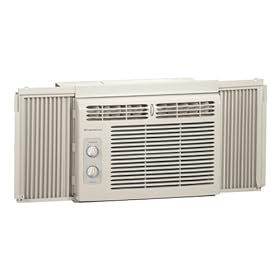
Window Mount Conditioners
If you use a window-mounted air-conditioner to keep your home cool, you know how powerful these little devices can be. Like a central AC system, a window air-conditioner has both indoor and outdoor components and when something goes wrong it can be difficult to determine where the problem lies.
Understanding Your Air-Conditioner
Inside the room you will find the evaporator coil, the part of the AC that gets cold, along with the fan or blower, the thermostat and controls, the filter and a plastic face panel.
Between the interior and exterior components is a panel that helps seal the unit in the window, preventing cool air from escaping and warm air from seeping in. This panel is usually expandable, so it is easy to customize the device to fit into your window, no matter what its size.
On the outside, you will find the air-conditioner’s compressor, the condenser and the fan that blows air across the condensing coil in order to cool it. Any moisture that collects inside the unit drains along the bottom and into a metal basin, which then drips to the outside of the house, through a hole or drain tube.
Now that you know the basics, it is time to take a look at some common in-room air-conditioner problems.
Water Dripping From the Front Panel
If you notice excess condensation or water dripping from the front of your air-conditioner, it almost always means that the drain pan is tilted incorrectly. Instead of guiding water toward the back of the unit and out of your home, the basin is allowing condensation to drain into the room.
Fortunately, correcting this problem is pretty simple. You just have to adjust the drain basin so that it tilts to the back of the unit and downward.
The Unit Cycles on and off Too Frequently
This generally indicates a problem with the unit’s thermostat or temperature sensor. Possible solutions include checking that the temperature sensor is positioned properly; near but not touching the evaporator coil. Move drapes and curtains away from the front panel. Remove leaves, branches and yard debris away from the exterior condenser. If none of these suggestions resolves the problem, call in a professional to service your AC unit, checking for refrigerant leaks and damaged components
Air-Conditioner Will Not Turn On
You could have a blown fuse, it could be a popped circuit breaker or the unit could be unplugged.
Obviously, you first want to make sure the air-conditioner is plugged in properly. If this fails to solve the problem you may have to replace the blown fuse or reset the breaker that connects to your AC’s power source.
Unit Keeps Blowing Fuses
If your AC is constantly popping the circuit breaker or blowing out fuses it usually means that it is hooked up to an inadequate power source.
Most residential window units require at least 120 volts of electricity operating off a 15amp circuit. You will need more power if your AC is larger. Run the air-conditioner from its own dedicated circuit; at least 20 amps, in order to correct the problem.
Related Air Conditioning Information from Horizon Services...
Home Energy Hogs
 These Home Appliances Suck Up a Surprising Amount of Electricity!
When we think of energy consuming appliances, big ticket items such as refrigerators, air conditioners and washing machines tend to top the list. However, some of the most costly appliances in your home are actually the smallest. Small devices like cell phone chargers and computer printers use lots of energy, and as these gadgets become more common in our homes the amount of energy they use grows exponentially.
What is the main reason so many of these small appliances use so much power? It is because they are almost always plugged into electrical outlets, even when they are not in use. They draw energy constantly, even when they are turned off or the devices they power have been disconnected.
Check out our list of the most energy inefficient small appliances. How many do you have in your home?
Plasma TVs:
You know you want one. Plasma televisions are on most of our home entertainment wish lists, but these hot items are quite literally hot. They use a lot of energy and throw off a significant amount of heat, too. The average 42-inch plasma screen uses as much as 325 watts of electricity; that old-fashioned CRT TV you have lying around uses just 120 watts. LCD TVs are a good compromise, using about 200 watts of electricity.
Digital Photo Frames:
Once a novelty item, digital picture frames are quickly becoming more commonplace as they become more affordable. However, according to a recent estimate from the Electric Power Research Institute, if every home in the US had one of these frames operating 24 hours a day it would take five entire power plants to keep them all running.
Video Game Consoles:
Video games have come a long way since Pac Man and Pong. Today’s games require high level digital processors to control all of those stunning graphics, and those processors require tons of energy. Compounding the problem is that energy-efficiency standards have yet to catch up to video game consoles like Sony’s PlayStation and Microsoft’s Xbox 360. The Natural Resources Defense Council estimates that game consoles consume around 16 billion kilowatt hours of electricity each year. This is roughly the same amount of yearly energy usage as the entire city of San Diego.
Set-Top Boxes:
Cable and digital converter boxes for your television may seem like pretty innocuous devices. While they only draw about 30 watts of energy, these boxes are always on—even when the TV is turned off. A single box can use as much as 265 kilowatt hours of electricity in a year. This is equal to the annual energy consumption of a 28-inch tube television.
Battery Chargers:
It seems that everything that rings, beeps or clicks now comes with its very own battery charger. Although these small devices do not use much energy—only about 10 watts—most of us simply plug them into the wall and leave them there, connecting them to the phone, camera or portable DVD player only when we need a charge. Even when there is nothing attached to them, battery chargers continuously draw power if they are plugged in. Consider the fact that most American homes have at least half a dozen chargers, and our total energy consumption adds up to the output of several large power plants.
Related Energy Efficiency Information from Horizon Services...
- Horizon Heating Services
- Horizon Air Conditioning Services
- 101 Ways to Save Energy and Money in Your Home
- Air Conditioning Alternatives
- Cutting Edge Solutions For Energy Efficiency
- Do The Math…High Efficiency Air Conditioners Drastically Reduce Energy Costs!
- Home Energy Myths Debunked!
- Frugal Fridge Maintenance Can Save You Energy...and Cold Hard Cash!
- A Precision Tune-Up is Your Air Conditioner's Best Friend!
- 14 Web Sites That Can Save You Energy, Money and Time
How to Avoid Fraudulent Home Improvement Contractors
 Protect Yourself and Your Home from Contractor Rip-offs, Scams and Shoddy Work!
As winter comes to a welcome end and we enter the spring season, homeowners inevitably will be besieged by offers, promotions and come-ons from all kinds of home improvement contractors and installers – plumbing, air conditioning, doors, windows, remodelers, landscapers -- you name it. Most will be legit...but some won't be.
Unfortunately, fraudulent contractors are extremely common in the home improvement industry…and they really seem to come out of the woodwork around this time of year. Because this area is so specialized and intimidating to many homeowners, it is easy to get taken advantage of by a disreputable “professional.”
Whether you are looking for a home improvement contractor to perform routine repairs, install equipment or perform major reconstruction and remodeling, here are a few simple tips to ensure that your home improvement contractor or installer is on the up and up.
Get It In Writing
Make sure to thoroughly read and understand the written contract for your home improvement project before you sign. Discuss your questions and get clarification. If you are not given an estimate and a contract in writing, or if your contractor is unwilling to explain things to you clearly, hire someone else. If you don’t understand a contract, don’t sign it; you could obligate yourself to repairs that you are not prepared to pay for. And don’t give any oral commitments to any work; as Yogi Berra once said, “An oral contract ain’t worth the paper it’s written on!”
Cheaper is Not Always Better
When it comes to home improvements, you almost always get what you pay for. Be wary of contractors that promise things that sound too good to be true. If your instincts tell you something strange is is up, you are probably right. Cheap contractors usually use cheap materials, sell cheap equipment and employ cheap, inexperienced, low-quality labor. And that can cost you a lot more in the long run -- both in operation costs and in future repairs.
Fraudulent contractors often try to scare homeowners with news of urgent or emergency repairs…or fantastic deals that you must act upon immediately. Do not let anyone pressure you into costly repairs on the spot; seek a second or third opinion to be sure. Always shop around and get multiple estimates. Focus on getting the best value; not the best price.
Check Credentials
Is your contractor properly licensed? Can he get all the permits to legally perform your home improvement or repair? Does he have a favorable rating from the Better Business Bureau? Does he belong to professional and industry trade organizations? Does he follow the industry’s best practices? Reputable contractors can answer yes to all these questions.
Get a Referral
Word of mouth is crucial in hiring a good contractor, but you have to be sure your referral is coming from a reputable source. Never base your decision on the word of a solicitor or stranger. Instead, ask friends, family members and neighbors, or consult a referral service that provides the names and contact information for qualified, pre-screened professionals in your area. Do not just go for the cheapest price estimate—take the time to get a solid referral; you could save thousands, especially if that amazing deal offered by the door-to-door salesman turns out to be a fraud. The best home improvement contractors have been in the business for some years and have a track record of customer satisfaction.
Read Home Improvement Contractor Reviews
There are plenty of websites that offer unbiased customer reviews of local businesses and contractors – among them Yelp, Insider Pages, Angie’s List, Local.com – as well as business directory sites (Yellowpages.com etc.) and search engines like Google, Yahoo and Bing. Take the time to go to these sites and check out reviews. Click Here to View a List of Customer Review Sites!
Beware of “Travelers”
“Travelers” are door-to-door solicitors that come knocking in hopes of gaining your trust and your business; this is one of the most common contractor frauds. These scam artists will talk fast, promising steep discounts on everything from roofing to bathroom remodeling. They will often cite their exclusive access to overstock building supplies as the reason for their great deals. The best way to protect yourself is to politely decline the sales pitch from the start, but you can also check the yellow pages for the name and number of the contractor at your door. If you cannot find a listing, tell him to hit the bricks.
Never Pay Up Front
No reputable contractor or installer will ever ask for payment until after the work is completed to your satisfaction, and will never require cash payment. If your contractor asks for payment up front or insists on doing a cash-only business, find a new contractor.
Do Not Get Your Own Building Permits
Another common tactic employed by fraudulent contractors is to request that you secure any necessary building permits yourself. A good contractor will do this for you — that is why you are paying him to do the work.
If You Are a Victim of a Fraudulent Contractor...
If you think you have been a victim of a fraudulent contractor, take immediate action to fix the situation. Consult a lawyer to find out if you have any legal recourse and report the incident to your local Chamber of Commerce and the Better Business Bureau. You may also need to involve local law enforcement if you believe a crime such as larceny or identity theft has been committed.
Check Out Our Contractor Checklist!
Horizon Services offers a 21-Point Contractor Checklist covering all the primary questions you need to ask BEFORE you select any home improvement contractor. It’s MUST-READING for all homeowners thinking of making any home improvement. Click Here!
Related Contractor Information from Horizon Services…
- Horizon HVAC Installation and Replacement
- Horizon Plumbing, Heating and Air Conditioning Services
- The Horizon Difference
- How To Choose The Right Contractor
- Watch Out for Bogus Plumbing, Heating & Air Conditioning Contractors This Spring and Summer!
- 5 BIG Mistakes Homeowners Make When Replacing Their Heating and A/C Systems...
This is a Great Time for a Home Energy Audit
 See Areas Where You Can Improve Your Energy Efficiency...and Slash Your Utility Bills!
For many homeowners feeling the economic pinch, any unnecessary home spending is to be avoided at all costs. If you fall into this category, a home energy audit can be a great way to show you if you are using energy efficiently in heating, cooling, lighting and powering your home...and show you where you may be wasting valuable energy dollars.
According to industry research, a home energy audit can reveal savings as much as 30 percent off your monthly utility bills. With utility prices expected to SKYROCKET in the coming months and years, those savings can be ENORMOUS.
How Home Energy Audits Work
A professional home energy auditor will come to your home and examine your property. He or she will look over your energy bills and analyze your energy usage. The enegy auditor will also inspect your home floor to roof -- including your heating and cooling system -- and do a number of special tests to see if energy is being consumed efficiently or wasted.
Two tests that any reputable home energy auditor will perform are the blower door test and a thermographic scan. The blower door test helps identify leaks and drafts around doors and windows, while the thermographic scan finds areas where you home is letting in cold or losing heat.
When all this data is compiled, the home energy auditor will create a detailed plan of ways you can improve the energy efficiency of your home. Some of the most common suggestions include upgrading appliances, increasing insulation, and installing weather-stripping or a programmable thermostat.
How Much do Home Energy Audits Cost?
A residential home energy audit will likely cost several hundred dollars, but you may have to pay much more than that to implement all the auditor’s suggestions, especially if you live in an older home. If your home is newer or you’ve recently updated your major appliances, you’ll spend less to get the most energy efficient features.
A home energy audit is completely useless if you don’t follow the auditor’s suggestions, but the good part is that you’ll get a detailed plan that you can follow as time and budget allow. You have the freedom to make changes little by little, shop around for deals, or wait for sales and rebate programs to kick in. There are usually several small changes you can make on your own for very little money, too, while some many need to be reserved for professionals. Remember, though, that even small home improvements can translate into pretty significant energy savings.
Is a Home Energy Audit Right for You?
Nearly every residential property can be made more energy efficient in some way. However, if your home is less than 10 years old, was designed to be energy efficient, or is a certified green home there’s probably not much an auditor will be able to tell you that isn’t already in place on your property. But if your home is decades old, a fixer-upper, hasn’t been updated with a new HVAC system in more than 20 years, or if it seems like your monthly utility bills just keep getting higher and higher, an energy audit could make a real difference for your peace of mind and your pocketbook.
In 2011, Delaware residents can take part in a new program called Energize Delaware. Under this program, Delaware homeowners can qualify for cash rebates up to $8,250 in eligible home improvements ranging from sealing air leaks to adding installation to upgrading or replacing heating and cooling systems. To qualify, you must be a registered owner of a detached, single-family residence, you must received a home energy audit and install qualified Energy Star equipment. Contact Horizon Services for more information on this program.
Related Information from Horizon Services...
New Year's Resolution: Save Big On Heating and Cooling!
 Make Energy Efficiency a Top Priority in 2011
Each year around this time, millions of Americans make New Year’s Resolutions to lose weight, quit smoking, and other things to improve their health. But how many of us make New Year's resolutions to improve their homes...or save money on their heating and cooling costs? Not many.
The Horizon Comfort Zone doesn't want you to give up those health-related New Year’s Resolutions -- they're great! But why not sweeten the mix by focusing on your home heating and cooling system and overall energy usage, too? Energy-Efficient New Year's Resolutions are not only good for the environment, they're good for your wallet. PLUS -- they're pretty easy resolutions to do and keep...a lot easier than avoiding food, cigarettes and alcohol!
Here are some great energy efficient New Year's resolutions you should consider making for 2011:
- Change Your Furnace or Air Conditioning Filter: Dirty filters impede air flow and make your furnace or air conditioner work harder. This increases your energy consumption, as well as the likelihood of furnace or air conditioner breakdowns. Be sure to check your filters monthly. Replace or clean them according to the schedule recommended by your HVAC service technician or by the manufacturer -- for most heating and air conditioning systems during peak season, that's about once a month.
- Go Digital with a Programmable Thermostat: Why waste energy heating or cooling your home when you are not there? With a programmable thermostat, you can pre-set the times and temperatures in which your heater or air conditioner will run. According to industry experts, a programmable thermostat can save you as much as $200 per year in energy costs.
- Buy a Fan: Fans can help circulate warm or cool air evenly throughout rooms or even entire floors of your house. This reduces a lot of wear and tear on your heater or air conditioner.
- Consider Zoned Heating: Why heat or cool rooms or floors if you're not in them? With a zoned heating/cooling system, you can send heated or cooled air where you want it. No heat or air conditioning is wasted. And the energy savings can be huge.
- Seal Air Leaks: Feel a draft around doors, windows or vents? If so, you could be leaking warm or cool air. That's money out the door for nothing. And as a result of the leak, you are probably running your heater or air conditioner more than you need to; that's adding wear and tear to your heating and cooling system. Check out your local hardware store for caulk, tape and other sealants that you can use to seal leaks around your house. It's a very quick, easy and inexpensive fix and it can save you big bucks in energy costs.
- Stop Blocking Registers and Vents: Check around your house to see if your registers and vents are blocked by furniture and other obstructions If so, you are wasting heat and air conditioning. Move these items aways from vents and registers so you can fill your rooms with more warm air in winter and more cool, air conditioned air in summer.
- Get a Tune-Up: It makes sense to get your car tuned up periodically and inspected once a year. Doesn't it make sense to do the same for your heating and cooling system? Regular tune ups and maintenance are the easiest and most important things you can do to guarantee that your heater or air conditioner performs at peak efficiency and doesn't break down at an inopportune time. Tune ups can extend the life of your heater or air conditioner, too. Don't be one of those procrastinators who say they'll wait till next year to get a tune up...have your HVAC system checked at least annually...starting THIS YEAR!
- Upgrade to a More Modern Heating & Cooling System: Make this the year you get rid of that old clunker of a heater and that rusty bucket-of-bolts you call an air conditioner! Today's technologically advanced heating and cooling systems are a far cry better than the heaters and air conditioners made just a decade ago. They perform at much higher energy efficiency levels. They provide more comfortable heating and cooling. The last longer. They require fewer repairs. And they're a better value: they generally pay for themselves in energy savings in just a few years. Tax breaks, rebates, manufacturer discounts and other incentives make them a better buy today than ever before.
Related Information from Horizon Services...
Is Flexible Ductwork a Good Choice for Your Home?
 When upgrading your HVAC system, always pay close attention to the ductwork. Flexible ductwork is a growingly popular alternative to traditional hard metal ducts. Before you decide whether or not it’s right for your home, consider the pros and cons carefully.
Pros of Flexbile Ductwork
Flexible ducts are cheaper than metal ones. This can save you money on installation and upkeep. If you are on a limited budget or would like to spend more of your remodeling budget elsewhere—like furniture or custom painting—it makes sense to save with flexible ducts.
Because the materials are cheaper, professional labor charges will be less, too. Installation is simpler, so you won’t have to pay top dollar for experienced labor.
Flexible ducts are…well…flexible. That means they can be installed in tight spaces where traditional metal ducts wouldn’t fit. If you’ve got sharp corners and lots of angles, flexible ductwork is a good option.
Cons of Flexible Ductwork
Flexible ductwork can restrict airflow more than metal ducts. Greater airflow means better HVAC system efficiency, but flexible ducts are more susceptible to interference from compression, pinching, and twisting. If ducts are installed in an attic or storage crawl space where boxes or other items could be pushed up against them, this can also diminish airflow. This decreased efficiency could mean higher energy bills.
Durability is also an issue with flexible ductwork. It doesn’t last as long as metal ductwork, it is thin and can puncture easily, and it doesn’t hold up to normal wear and tear like metal does. Over time, flexible ducts can become brittle and break or crack with even a slight touch.
Installing flexible ducts will save money initially, but you’ll have to replace it fairly often, and long before you would metal. This means you’ll incur that same initial cost several times for as long as you live in your home. For a more long-term solution, metal ductwork is a much better choice.
Flexible ductwork is made of a thin, pliable material. Not only does this make less durable than metal, but it also means that flexible ducts are more likely to become damaged in the short term. It’s difficult to install the material without damaging it, as rips and tears can happen very easily. Pests like mice and some insects can eat through the material, causing tears and holes that may be impossible to repair. Any sharp object stored too close to the ducts can easily cut through the ducts, as well. If your installers are not careful, you may end up paying more to replace damaged sections.
Contact Horizon Services with Your Ductwork Questions!
As with any major home renovation project, it’s a good idea to discuss the advantages and drawbacks of flexible ductwork vs. traditional metal ductwork with a qualified HVAC professional. An experienced contractor can help you decide if flexible ductwork is right for your home and will conduct a thorough inspection prior to starting any work. A professional can also help you weigh the cost savings of installing flexible ductwork against the additional expenses this type of material could bring on later. Talk to your Horizon Services comfort consultant; he'll be able to tell you wha ductwork options are best for your home.
Related Information from Horizon Services...
Energy Efficient Apartment Dwelling
 How to Make a Big Impact in Small Places!
If you rent an apartment or condo, you may feel pretty powerless when it comes to controlling your energy consumption. After all, most tenants are at the mercy of their landlords when it comes to things like selecting an HVAC system, water heater, or appliances. There are simple ways to change how much energy you use and reduce the cost of your utilities, though, regardless of your landlord’s choices.
The easiest place to start is with electricity. Figure out where and how you use electric power. This will help you evaluate your actual energy needs—Does your laptop really need to be plugged in and turned on all the time if you only use it to check email once a day? From there you can figure out ways to reduce your usage and increase efficiency. Whenever possible, purchase energy efficient appliances like washing machines, dryers, microwaves, TVs, stereos and computers. Look for the government’s Energy Star seal to help you identify brands that qualify. Use daylight as much as possible and only turn on lamps when absolutely necessary. Replace traditional incandescent light bulbs with compact florescent ones, and turn off lights when you’re not using them.
You probably don’t have much of a voice when it comes to the type of heating or cooling system your landlord has installed in your building, but you do have complete control over when and how much to use these units. In cold weather, turn your heat down a degree or two lower than what’s comfortable; raise the temperature of your air conditioner a few degrees higher in the summer. Use fans or open up windows in warm weather, and consider purchasing an energy efficient space heater to help supplement your apartments heating system in winter. Hanging thermal drapes can also help you save significant energy and money.
Another area that you may not have much control over is the kind of water heater that’s connected to your apartment, but you can try to reduce your hot water consumption. Take quick showers rather than long baths, run the dishwasher or washing machine only when you have a full load, and use cold water to wash clothes (it will get your stuff just as clean as hot water and is actually easier on the fabric). Turn off the water when you’re not using it, and be sure to notify your landlord or superintendent if you have a leaky faucet, running toilet, or other plumbing problem you aren’t able to fix yourself. If you do have access to your apartment’s hot water heater, turn the thermostat down to 120 degrees. Water at this temperature is hot enough to clean and to prevent bacteria from forming in the tank, but is more cost effective.
If you are hunting for a new apartment here are some very important items to consider:
Does your apartment building have multiple floors? If so, those who live on the upper floors usually save a little more money on heating bills in the winter months. That's because they can take advantage of the residual heat that rises from the apartment units beneath them so they can lower their own thermostats a few degrees. The flip side of course is that apartment on top floors also tend to be warmer in the summertime due to both rising heat and to receiving more direct sunlight.
Most apartment hunters prefer a unit which faces south because they will get more sunlight over the course of a day. That's fine in the winter time when you want your apartment to be as warm as possible...but in summer, watch out: that extra sunlight means that you will probably run your air conditioner much more than your neighbors who face east, west or north.
Apartment buildings with stone or brick facades tend to be much warmer than buildings with siding. They hold in much more heat generated by both your heating system and from the sun. That can be a blessing in the winter time; but in summer, these buildings can often bake like a brick oven.
One trick that you can do to save on both your heating and cooling costs is to keep your apartment door open whenever you can. Chances are that your landlord heats and cools the lobby and hallways. If you have neighbors who like to run their heaters and air conditoners at full blast, a lot of their warm and cool air is going to wind up out in the hallways. If you can bring in some of this wasted or little used air into your apartment, you can really cut back on your own usage.
Discuss your energy efficiency concerns with your landlord and find out if there’s anything he or she can do to help make your apartment or your building more energy and cost efficient. A nice little reminder to sneak into that conversation: Tenant savings = landlord savings.
Related Energy Efficiency Information from Horizon Services...
How Products Earn Energy Star Ratings
 The Energy Star Label Takes The Guesswork Out of Shopping for Energy Efficient Heating & Cooling Equipment!
With so much emphasis on improving energy-efficiency, minimizing utility bills and reducing our reliance on fossil fuels, the Energy Star seal has come to the forefront of the environmentally (and fiscally) responsible homeownership movement. But what exactly is the Energy Star program and how does a product receive the Energy Star endorsement?
What is Energy Star?
Energy Star is a program sponsored by the federal government that tests, reviews, and certifies major home appliances, equipment and entertainment devices for energy efficiency -- including HVAC equipment such as furnaces and air conditioners. The main goals of the Energy Star program are to help consumers save money on utility costs and to reduce our impact on the environment.
The Energy Star program was established to cut down on greenhouse gas emissions and pollutants released when fossil fuels are burned to produce energy. The Energy Star program is also aimed to make it easier for consumers to shop for and purchase products that are better for the environment without sacrificing quality, performance, and state-of-the-art features.
How Does the EPA Determine a Product’s Energy Star Eligibility?
The Environmental Protection Agency (EPA) sets forth Energy Star efficiency standards and grants the label to products that meet these requirements. The EPA has developed the Energy Star specifications based on a set of key principles:
- Product categories must contribute substantial energy savings in most areas of the country.
- Products must deliver both features and performance customers want, as well as demonstrated energy efficiency.
- If the product is more expensive than comparable, less efficient models, buyers must be able to recoup the initial investment in energy efficiency through savings on utility bills in a reasonable length of time.
- Energy efficiency is achieved through readily available, non-proprietary technology offered by an array of manufacturers.
- The energy consumption and performance of the product must be able to be measured and confirmed with testing.
- Affixing the Energy Star label would effectively set products apart and make them more visible to consumers.
Does the EPA Ever Revise Energy Star Requirements?
Usually, when the market share of Energy Star rated products in a particular category -- such as refrigerators, televisions, or dishwashers -- reaches 50 percent or more, the EPA will consider revising standards in that category. Such market saturation indicates that manufacturers are easily able to comply with Energy Star specifications and that perhaps the requirements are not as stringent as they could be. This will usually prompt the EPA to take a closer look at categorical qualifications and make changes if necessary.
Some other factors that may impact a decision to revisit Energy Star specifications include:
- Adjustments in the federal government’s minimum standards for energy efficiency
- Technological advances in energy efficiency that would result in even greater energy savings if Energy Star ratings were changed
- Availability of products
- Substantial problems with consumers’ expected energy savings or inconsistencies with promised savings
- Quality or performance issues
- Problems with research or testing procedures
How Reliable are Energy Star Ratings?
Because the EPA reviews Energy Star specifications frequently, you can trust that purchasing an Energy Star rated appliance or other device ensures that you’re getting an efficient, money-saving product. The next time you’re in the market for an electronic device, shop the Energy Star label and you may be pleasantly surprised by your next utility bill.
This is especially true with HVAC (Heating, Ventiliating and Cooling) equipment. Today's heating and air conditioning systems are much, much more energy efficient than those made just 10 years ago. When you purchase and install heating and air conditioning equipment that carry the Energy Star seal, you can be confident that they not only meet but exceed the government's requirements and recommendations for energy efficiency ratings.
Horizon Services is proud to sell and install only Energy Star rated heating and cooling equipment furnaces, air conditioners, heat pumps, boilers and water heaters. Contact Horizon Services today to discuss Energy Star rated equipment from many of the industry's most trusted HVAC manufacturers including: Lennox, Trane, Rheem, York, Comfortmaker, Janitrol, American Standard, Carrier and Bryant.
Related Information from Horizon Services...
Going Green is Simple with Ventilation and Fans
 Improved Air Flow Saves Energy, Saves Money, Improves Comfort
Environmentally responsible home improvements not only save the planet and leave more cash in your wallet, but they can also help improve the health of your home. If you’re overwhelmed by green home improvement options, keep it simple by installing or upgrading your home ventilation system and fans.
Proper ventilation is one of the best ways to improve your home’s indoor air quality. This can make a big difference if anyone in your family suffers from allergies, asthma, or other breathing conditions. Plus...vents and fans keep air circulating through your home so that warm and cold air are more evenly distributed; your heating and air conditioning systems don't have to work as hard or as often.
Green Fan Options
Install a Ceiling Fan: Ceiling fans are one of the easiest, most affordable options if you’re looking to improve your home’s energy efficiency. They move warm air throughout your house during the winter and take some of the work load off your air conditioner in the summer.
Install a Whole House Fan: Whole house fans are another affordable option. These powerful fans are installed near the attic, and cool your home by moving hot air up and out through the attic. Cooler air is drawn in through open windows. In warm climates, whole house fans can effectively supplement air conditioning; in cooler climates they can eliminate the need for an air conditioner altogether.
Green Ventilation
Install a Kitchen Hood Vented to the Outdoors: A kitchen range hood helps remove cooking odors, exhaust, and excess moisture from your home. While some range hoods vent to the attic, a hood that vents to the outdoors is better for your home’s structural integrity and indoor air quality.
Install a Bathroom Fan Vented to the Outdoors: Bathrooms are obviously the number one source of harmful mold and airborne bacteria that can infect the air you breathe. A bathroom exhaust fan, vented to the outdoors, will remove moisture from your home, cutting down on mold and mildew growth.
Install a Clothes Dryer Vent: Clothes dryers release tons of moisture into the air as they dry your clothes. This air circulates around your home, carrying chemicals from laundry detergents, toxins from synthetic fabrics, and deadly carbon monoxide. A properly vented dryer releases air outdoors, removing these harmful and potentially dangerous airborne pollutants from your home. To compliment a vented dryer, you may also want to consider installing an exhaust fan in your laundry or utility room.
Natural, Energy-Efficient Ventilation is Healthy Ventilation!
Anytime you can infuse your home with fresh outdoor air you are helping to improve the quality of the air you breathe. Here are more green ways to improve the health of air inside your home:
Install Windows and Skylights: Even more effective than fans are operable windows and skylights. Improve your home’s ventilation by simply opening a window. When you open windows on both sides of your home you can create a cross breeze that allows air to flow through your home more easily.
Design Green: If possible, consider the direction of wind against your home and the local weather conditions when designing the structure or replacing windows and doors. Aligning windows and doors to prevailing breezes lets you make the most of natural ventilation.
Related Information from Horizon Services...
- Horizon Heating and Air Conditioning Installation & Replacement
- Horizon Heating Services
- Horizon Air Conditioning Services
- 101 Ways to Save Energy and Money in Your Home
- Green Your Home...Reduce Your Carbon Footprint
- Air Conditioning Alternatives
- Cutting Edge Solutions For Energy Efficiency
- Indoor Air Quality - A Major Problem for Homeowners
Got Mold?
 It's Not Just On Your Bread...It Could Be Growing in Your House!
Take a close look at your walls, floors and vents or inside closets. Especially in basements or areas that are out of the way and more prone to moisture exposure. See some streaks, spots or unusual coloration? Could be yellow, green, brown or black in color? If so, there just may be a fungus among us...mold.
Most of us know that old food can get moldy. And we've all seen what mold can do to an old pair of sneakers. But not everyone knows that these freaky fungi can get into and take root inside your home. And the results of mold infestation can be devastating.
Mold is certainly unsightly. It can even smell bad. Aww...let face it: mold is downright gross! But more importantly, mold is bad for your health. When mold grows excessively inside your home, it can seriously affect air quality. Airborne mold spores float through your home and are inhaled. This can lead to a variety of respiratory illnesses like bronchitis and persistent cough, as well as chronic conditions like allergies and asthma. The more mold you have in your home, the more likely it is that you or someone in your family will develop one of these health issues.
Mold Growth is Widespread
There are hundreds of different mold varieties, and these can be found virtually anywhere. Even if your home is spotless, mold could be growing in unseen places like behind walls, under floors, inside insulation, in ductwork, or along window sills. In these cases, you may not know about the mold for months, or even years. This allows growth to steadily increase over time; once you are aware of the problem it could mean thousands of dollars in cleaning and repairs.
Obviously, widespread mold growth is a problem that should be handled as soon as possible. However, even small amounts of mold can lead to breathing problems and illnesses for everyone in your home—pets, too.
Mold thrives in warm, moist, dark environments. Old or faulty HVAC systems can produce an environment where mold can grow. So can leaky pipes, poor drainage or any problem that allows water and moisture to accumulate.
Why Mold is So Harmful
- Volatile Organic Compounds: All types of mold produce substances called volatile organic compounds (VOC). These are naturally-occurring chemicals that are found in a variety of things used in the home. Some of the most common volatile organic compounds are generated by paints, household cleaners, and adhesives. The VOC in mold creates that distinct, musty odor that we usually associate with mold or mildew growth. The smell alone can decrease the quality of air inside your home and will gradually worsen if the problem is not eliminated. Research has shown that humans who are exposed to a high concentration of indoor mold growth experience a wide range of symptoms, from allergic reactions to issues with the central nervous system including nausea, headaches, and diminished mental capacity.
- Allergens: Every type of mold also produces allergens. Mold grows in tiny clusters called spores. These spores release invisible toxins that travel through the air inside your home and can trigger allergic reactions when they are inhaled. These reactions are the same as you might experience with any other environmental allergy: itchy, watery eyes; sneezing; coughing; nasal congestion and sinus pressure; and even skin rashes.
Prevent Mold Growth
For visible mold, clean the area with an antibacterial cleaner or a common bleach and water solution. This will get rid of existing mold and will prevent new growth. Remember that mold and mildew thrive in warm, moist places so be sure that your bathrooms are vented properly, open windows whenever possible to allow fresh air into your home, and never leave damp clothing or linens lying around.
If you suspect mold is growing in unseen areas of your home, hire a professional to perform a thorough assessment. You may need to contract with a professional cleaning service or make some repairs if the problem is serious.
Related Mold and Indoor Air Quality Information from Horizon Services...
Financing Options to Help Make Your Home More Energy Efficient
 We all want to do our part to help the environment and cut down on rising utility costs. But for many homeowners, green alternatives and upgrades are simply too expensive to be realistic. However, now is an excellent time to consider making eco-friendly home improvements, as an array of financial incentives is bringing these alternative energy systems into the mainstream for buyers, sellers and homeowners.
If you’re in the market for a new home, you may be able to get more for your money when you consider homes with energy-efficient upgrades like solar heating or tankless water heaters. These systems mean lower utility costs every month, which leaves more room in your budget for a slightly higher mortgage payment.
If you plan to stay in your home but are looking for a way to save on monthly energy bills, you may qualify for state or federal tax credits or special financing that will help you make energy-efficient improvements. These upgrades will reduce your utility costs and benefit the environment.
If you’re thinking about selling your home, any energy-efficient upgrades you’ve added can mean a higher asking price. Eco-friendly homes are an increasingly popular segment of the real estate market and as more home buyers look for energy-efficient properties, those upgrades are becoming an appealing selling point.
If you need financing to make energy-efficient upgrades to your home, you can get the funds you need through either a government-sponsored program or a traditional lender. Certain states even provide special programs for residents who qualify, so it’s smart to begin your search with your state’s department of energy to find out what’s available in your area.
There are also special mortgage programs that can help you afford energy-efficient upgrades. Called EEMs, or energy-efficient mortgages, these programs allow both homeowners doing new construction and those making improvements to an existing structure to obtain financing. EEMs make it possible to purchase or refinance a home that’s already certified energy-efficient, or to purchase or refinance a home that will be energy efficient after certain upgrades are made. Most lenders offer both kinds of EEMs; you may also qualify for home-improvement loans that will help defer the cost of energy-efficient upgrades.
In order to qualify for these special mortgage programs, most lenders require homes to have an energy-efficiency rating. These ratings are based on an inspection by a certified professional and tell lenders how energy efficient your home is.
The energy rater will check all the features of your home that relate to its energy consumption. This includes windows, insulation, heating and cooling systems, water heaters, and ductwork. You will receive a report that includes your home’s energy rating, as well as an estimate of your yearly energy usage and spending. The report sometimes includes suggestions for improvements you can make to boost your home’s energy-efficiency and the costs of those upgrades, along with an estimate of the annual savings and return on investment of making changes.
Check Out These Resources from the Federal Government:
- U.S. Department of Housing and Urban Development - Energy Efficient Mortgage
Home Owner Guide - Energy Star - Energy Efficient Mortgages
Related Information from Horizon Services...
Federal Government Takes Steps to Strengthen Energy Star Program
 Standards are Getting Tougher for Energy-Efficient Heating and Cooling Systems and Other Appliances
According to a March 2010 press release, the U.S. Environmental Protection Agency (EPA) and the U.S. Department of Energy (DOE) have been implementing stricter policies to improve the federal Energy Star program and to increase consumer confidence in the label. The action comes at a crucial time, when more American consumers are both struggling financially and turning to home heating and cooling equipment and home appliances that will save energy and reduce utility bills.
Strengthening Testing and Enforcement
The EPA and DOE have begun a two-part process to expand Energy Star testing:
- The DOE recently started testing on six of the most common Energy Star product types: freezers, washing machines, dishwashers, water heaters, refrigerator-freezers, and room air conditioners. The DOE will conduct testing on more than 200 models at independent laboratories over the next several months.
- The EPA and DOE are currently working on a system that will make the Energy Star qualification process more rigorous. Changes include testing by approved third-party labs, ongoing verification testing, and new manufacturer compliance cooperation procedures.
On the enforcement front, the EPA and DOE have been working to identify and resolve issues with manufacturers who fail to meet Energy Star standards. This includes actions taken against nearly three dozen manufacturers since January 2010:
- January 7, 2010: The DOE announced that freezer manufacturer Haier had signed a consent decree on four of its models that were found to consume more energy than the company reported. As part of their agreement, Haier was ordered to notify all impacted consumers, repair defective units at no cost, and pay a fine of $150,000 to the US Treasury.
- January 25, 2010: The DOE disqualified 34 compact fluorescent lightbulb models from more than two dozen manufacturers. These bulbs did not meet all Energy Star criteria for CFL.
- January 28, 2010: The DOE took action against four companies that manufacture showerheads because the products were not certified to meet federal water conservation standards.
- February 4, 2010: The DOE initiated a civil penalty against an air conditioner and heat pump manufacturer because some of its products were not certified, while other products were certified without the proper testing.
- March 7, 2010: The DOE commenced enforcement actions against two more showerhead manufacturers suspected of marketing products that did not meet federal water conservation standards.
- March 11, 2010: The EPA terminated their partnership with US Inc./US Refrigeration based on the company’s history of Energy Star logo misuse, unresponsiveness to EPA communications, and a habitual failure to comply with Energy Star guidelines.
Energy Star Brand Aims to Bolster Consumer Trust
The Energy Star program already has several systems in place to ensure consumer confidence in products that carry the Energy Star label. The requirements for certification are as follows:
- To receive the Energy Star label, companies must submit to the federal government data that shows their product(s) meets clear and quantifiable energy efficiency standards.
- The DOE and EPA conduct regular third-party laboratory and “off the shelf” testing of a range of Energy Star products to ensure continued compliance.
- Because the Energy Star label is so attractive to buyers, market competition drives compliance from manufacturers. Manufacturers frequently test competitors’ products to ensure compliance and can report violations to the EPA or DOE.
- When a manufacturer is found to be in violation of Energy Star policies, the label is removed from the affected product, corrective measures are outlined, and if changes are not made the Energy Star partnership may be terminated.
Related Information from Horizon Services...
Year Round HVAC Repair and Maintenance
 Let the Season Be Your Guide to Fixing and Maintaining Your Home Heating and Air Conditioning Systems!
At some point in your homeownership, you’re going to have to call an HVAC technician to service your home’s heating and cooling system. Whether you need furnace repair, someone to take a look at your air conditioner, or a professional opinion on the state of your ventilation and ductwork, a reliable HVAC technician is your best bet.
But how do you know when it’s time to call? This handy guide gives you some suggestions for seasonally appropriate repairs and maintenance, which should help you begin the conversation. Remember; always shop around for a reputable technician even if you need immediate assistance. There are few things that feel worse than being taken for a ride by a shady contractor in times of desperation.
Spring HVAC Repair and Maintenance:
Early spring is a great time to have your HVAC system cleaned and inspected. If there are any problems or necessary repairs, you can have them completed well before the warm summer weather sets in. That way you can rest assured that your air conditioner will kick in without issue when you need it most.
Summer HVAC Repair and Maintenance:
It goes without saying that summer is one of the busiest times of year for HVAC technicians. But if you’re having trouble with your system there are a few simple do-it-yourself tricks to try before you call a pro. Make sure your air conditioner is clean from dust, dirt, and debris. Change the filter monthly. Check your thermostat to ensure it’s working properly. If you still can’t figure out the problem, call a professional HVAC technician but expect a bit of a wait, as summer schedules can fill up quickly.
Fall HVAC Repair and Maintenance:
Toward the end of summer and into the fall, think about calling an HVAC technician to schedule a furnace tune-up and ductwork cleaning. Postponing this crucial step can put you at the end of a long line of other customers or worse—stuck in the cold without a working furnace on that first chilly autumn morning.
Winter HVAC Repair and Maintenance:
If you need service in the winter it’s likely that your furnace has stopped working. But before you call a professional, do a few quick checks on your own. Start with the furnace pilot light and make sure it hasn’t gone out. Then check the thermostat to see that it’s working properly. Be certain that all floor and ceiling registers are open.
Sometimes, simply replacing the filter furnace can improve your system’s function. You’ll certainly have to hire a pro if none of these produce results. If you do need to call a technician, don’t delay. Putting off furnace repairs can lead to even more serious (and costly) problems like frozen or burst pipes, carbon monoxide poisoning, and system-wide damage. You can generally expect a quick response to a call for help during the winter, as HVAC professionals understand the urgency of furnace problems at this time of year.
Related HVAC Repair/Maintenance Information from Horizon Services...
EPA Regulations Govern Use, Disposal of Refrigerants
 What You Can't See CAN Harm You!
Refrigerant gases used in HVAC systems have long been linked to environmental risks and depletion of the ozone layer. For nearly 20 years, the US Environmental Protection Agency (EPA) has pushed for legislation regarding the proper use, repair and disposal of refrigerant systems in order to minimize the harmful effects on the environment.
There are several different classes of refrigerant gases, each with specific uses in both commercial and residential situations. Generally speaking, refrigerants are used in temperature control systems in homes and businesses. The most common types of gases used in these HVAC systems are hydrofluorocarbons (HCFCs), perfluorocarbons (PFCs) and chlorofluorocarbons (CFCs). Each of these gases has elements that can cause harm to the ozone layer and can have other adverse effects on the environment. This is why the EPA strictly measures, monitors and regulates their use.
HCFCs, PFCs and CFCs are classified as ozone depleting substances and have a very high potential for contributing to global warming. Also known as destructive greenhouse gases, these chemicals are a factor in the destruction of the upper ozone layer and release pollutants into the atmosphere. In the United States, The Clean Air Act defines the EPA’s role in preserving our air quality and limiting further damage to the ozone. There are similar laws in several other countries throughout the world.
The main job of the Clean Air Act is to set forth proper procedures for dealing with refrigerant gases. This involves intense, detailed materials management and tracking. EPA officials, federal regulators and local agents are all partners in monitoring and inspecting commercial and residential heating and air conditioning systems. They may perform random spot checks of locations, audit service records and purchase orders, or periodically review transport logs of gas delivery and removal. This is meant to ensure that harmful greenhouse gases are used and disposed of in accordance with federal regulations in order to minimize environmental impact. The current law also mandates that technicians be EPA certified before performing any maintenance work on an HVAC system containing refrigerant gases.
In 2009, the Clean Air Act was amended to include specific regulations that will allow HVAC system owners and service professionals to monitor leaks more accurately and make sure that refrigerants are recycled, recovered and documented properly. Anyone who is in contact with systems that have 50 pounds or more of refrigerant gas—either through ownership or service profession—will now be required to keep thorough service records, regularly monitor systems for leaks, log all refrigerant purchases, and present yearly reports of use and disposal of gases. These more detailed reports will make it easier for the EPA to gauge the effects these gases have on the environment and their impact on global climate change.
While the Clean Air Act has long been a means of protecting the environment by limiting the release of harmful chemicals into the atmosphere, these amended regulations will go one step further by empowering consumers and service professionals to take a more active role in environmental protection.
Related Information from Horizon Services...
Your Guide to Green Tax Breaks
 Energy Efficient Home Improvements Can Help Your Bottom Line at Tax Time!
As you probably know, the Federal Government has been offering tax credits up to $1,500 for homeowners who make energy-efficient improvements to their homes -- everything from installing energy-efficient heating and air conditioning systems to new water heaters to new windows, doors and roofs. Not only are these incentives a great way to save cash now and in the future, they're stimulative to the economy and help improve our environment.
But there are some things about these tax breaks you probably don't know. For one thing, the $1,500 tax credit is currently set to expire on December 31, 2010--and that deadline is rapidly approaching. Some people think that means they only need to purchase a new energy-efficient improvement by that date to get the tax credit. NOPE. In order to get the tax credit, you not only need to make the purchase, but you need to have it INSTALLED by December 31, 2010. So if you've been thinking of investing in a new energy-efficient heating system, air conditioning system, hot water heater or any green home improvement, TIME IS REALLY RUNNING OUT. Act now!
Another little known fact is that for higher-end renewable energy sources like solar or geothermal power, you can claim a tax credit of up to 30% of your cost. Since these alternative systems are usually much more expensive to install, these credits can seriously offset your costs. Furthermore, this high-end credit can be used toward the Alternative Minimum Tax liability and unused credits can be carried over to the next tax year.
Naturally, not every heater, air conditioner or other piece of equipment qualifies for the $1,500 tax credit and other green tax breaks; there are restrictions. So before you buy, make sure you have all the facts. You can find a complete list of all the federal green tax credits as well as full details and qualifications for each at http://www.energytaxincentives.org/.
Green Tax Breaks in YOUR State
In addition, most states now offer their own green tax credits on top of the federal program. Unfortunately, the current economic climate has dramatically affected many state green programs. Because, unlike the federal government, states are not allowed to operate with a budget deficit, many states are having to make spending cuts that are likely to impact or even eliminate state tax credits altogether. This has made several state programs very selective about when and how credits are offered.
If your state does offer a generous green tax break, be sure to do your homework to make sure you’ll qualify before undertaking a big project. Some states, like New York and California, limit green credits based on project completion dates and other qualifying criteria.
A comprehensive list of green tax credits organized by state is available at http://www.dsireusa.org/.
Additional Considerations About Green Tax Breaks:
Don’t assume anything. Not all green improvements are subjected to federal or state tax breaks and there are certain qualifications—like purchasing approved equipment or using a certified contractor—that have to be met. Get all the facts before you begin a project.
Many green tax credits are available only to contractors, not homeowners or do-it-yourselfers. Talk to a trusted professional about your options and shop around to find someone willing to pass along their tax break to you in the form of lower costs.
Get out your calculator and figure how state and federal credits will work together to impact your project’s bottom line. A renovation that seems completely out of reach for your budget may cost significantly less when you combine both state and federal incentives. On the other hand, you may not be getting as much of a break as you think if your project only qualifies for one and not the other.
Related Information from Horizon Services...
Heating and Cooling System Health Check
 A Little Preventive Medicine for Your Heating and Air Conditioning System Can Go a Long Way!
As summer is coming to an end and winter's cold weather is just around the corner, you'll definitely want to make sure your home’s heating system is functioning properly for the winter ahead...and that your air conditioner has successfully survived the long, hot summer without any damage or problems. The following checklist can help you decide if you need to make some improvements, replace equipment, or consult a professional about more extensive repairs.
If your heater, heat pump or air conditioner is more than 10 years old, consider replacing it with an Energy Star rated system. When installed by an expert, these units will improve your home’s energy efficiency and can help you save up to 20% on your utility bills.
If your furnace or boiler is more than 15 years old, you may want to research Energy Star certified units. These newer systems are almost 15% more energy efficient than older furnaces, while an Energy Star boiler is about 5% more efficient than an older model.
If you’ve noticed a dramatic increase in the number of times you have to call in a professional to repair your heating and cooling system, or your utility bills keep rising no matter what you try to do to save energy, your current system is not working as efficiently as it should and it may be time to replace your unit.
If you notice that certain rooms in your house are always too hot or too cold, your heating or cooling system may be malfunctioning or your ductwork or insulation could need some attention.
If you spend the better part of the day away from home and you don’t have a programmable thermostat, you could be wasting energy—and money. An Energy Star certified programmable thermostat lets you control the temperature of your home when you’re not there, saving energy and money.
If you notice condensation on windows and sills or the humidity in your home is never quite right, your system could need work and an overhaul. Leaky ducts can also make your home too humid in summer and overly dry in winter.
If you find it nearly impossible to keep up with the dust inside your home, it could mean that your ductwork is leaking. Improperly sealed ducts pull air and dust particles from attics, basements and crawl spaces, circulating them throughout your home.
If your heating or cooling system makes a lot of noise, your ducts could be too small or one of the key components of your system could be malfunctioning.
Use the Home Energy Yardstick found on the EPA's Energy Star website to determine your home’s energy health. To complete the survey, you’ll need to gather your utility bills from the last 12 months or request a 12-month summary of charges from your energy provider, information about your home’s energy sources—natural gas, oil, electricity, propane, kerosene—and the total square footage of your home. Simply enter this information in the right places and let the yardstick calculate your home’s energy efficiency rating. If you score lower than five, your home is using more energy than average and you are likely paying more than you have to on your utility bills.
Finally, it's always a great idea to give your heating and air conditioning system a tune-up and cleaning before the start of the summer or winter season. A tune-up will make sure that your heater or air conditioner starts the season in optimal working condition and will operate at peak energy-efficiency. It will also extend the life of your heating and air conditioning system and is your best assurance that your heater or air conditioner won't break down at an inopportune time -- like right in the middle of a heatwave or cold snap!
Related Heating & Air Conditioning Information from Horizon Services...
Make Sure You Have Proper Air Circulation Throughout Your Home
 Going in Circles is Great for Heating & Cooling Comfort and Energy Efficiency!
Uneven air circulation and distribution of both heated and cooled air is a common problem in many households. Industry experts say that improper air flow can actually reduce the efficiency of your heating and air conditioning equipment by as much as 60%! They also say that improper air flow is one of the most common causes of heating and air conditioning system breakdowns. That's because when air is not flowing smoothly through your home, it puts extra demand on your heating and cooling equipment to force warm or cool air throughout the home.
Proper air circulation is extremely important if you want to get the most out of your heating and air conditioning system. Think of each room in your home as a section of a wheel. When you don’t get air good circulation in one room, it’s like having a flat spot on a wheel; the wheel is not going to roll smoothly. With central air conditioning and heating, one room with bad circulation can keep air from circulating smoothly throughout the rest of your house.
If your heating and air conditioning system lacks even air circulation between rooms and floors of the home, temperature and humidity can differ greatly from room to room. If one or more parts of your home are too warm or too cool, the overall comfort level of your home will feel out of balance. It may also force you to run your heater or air conditioner more in certain rooms; this can put unnecessary demand on your heating and air conditioning system, which can lead to premature breakdowns and higher energy bills.
The key to consistent year-round comfort is consistent air circulation. So how do you get proper air circulation throughout your home? It starts with installing a heating and air conditioning system that designed for your home's heating and air conditioning requirements. Is your heating and air conditioning equipment sized properly so that it doesn't produce too much or too little heated or cooled air? Does it have the proper efficiency rating? A system analysis of your home including a load calculation (a mathematical estimate of the amount of air that needs to be generated to efficiently heat and cool each room) can provide great insight as to whether your system is putting out too much or too little air.
Good ductwork design is another key component to getting good air circulation and consistent heating and cooling comfort. Because the ducts in your home carry the air to each rooms, it is important that they are the correct size and length to deliver the proper amount of heating and cooling. It's also important where in your home they are located and whether or not they have any leaks or damage.
If you're thinking of installing a new heating and air conditioning system, make sure your HVAC contractor not only explains how your equipment is sized and that it is of the right efficiency for your home, but that he submits and reviews with you a copy of the ductwork design. This will help assure you that you’ll be getting the proper air circulation and won't be disappointed with the way your new heating and air conditioning system performs.
At Horizon Services, our comfort consultants and HVAC technicians are always happy to discuss with you how to get the right air circulation and most consistent heating and cooling throughout your home. Give us a call!
Related Information from Horizon Services...
Subscribe!


 Posts
All Comments
Posts
All Comments
My Blog List


AddThis

Keystone Partner

Horizon Services is a Keystone Partner of Philadelphia Union, Major League Soccer Team


